
Choices
Or, why I haven't written in a while

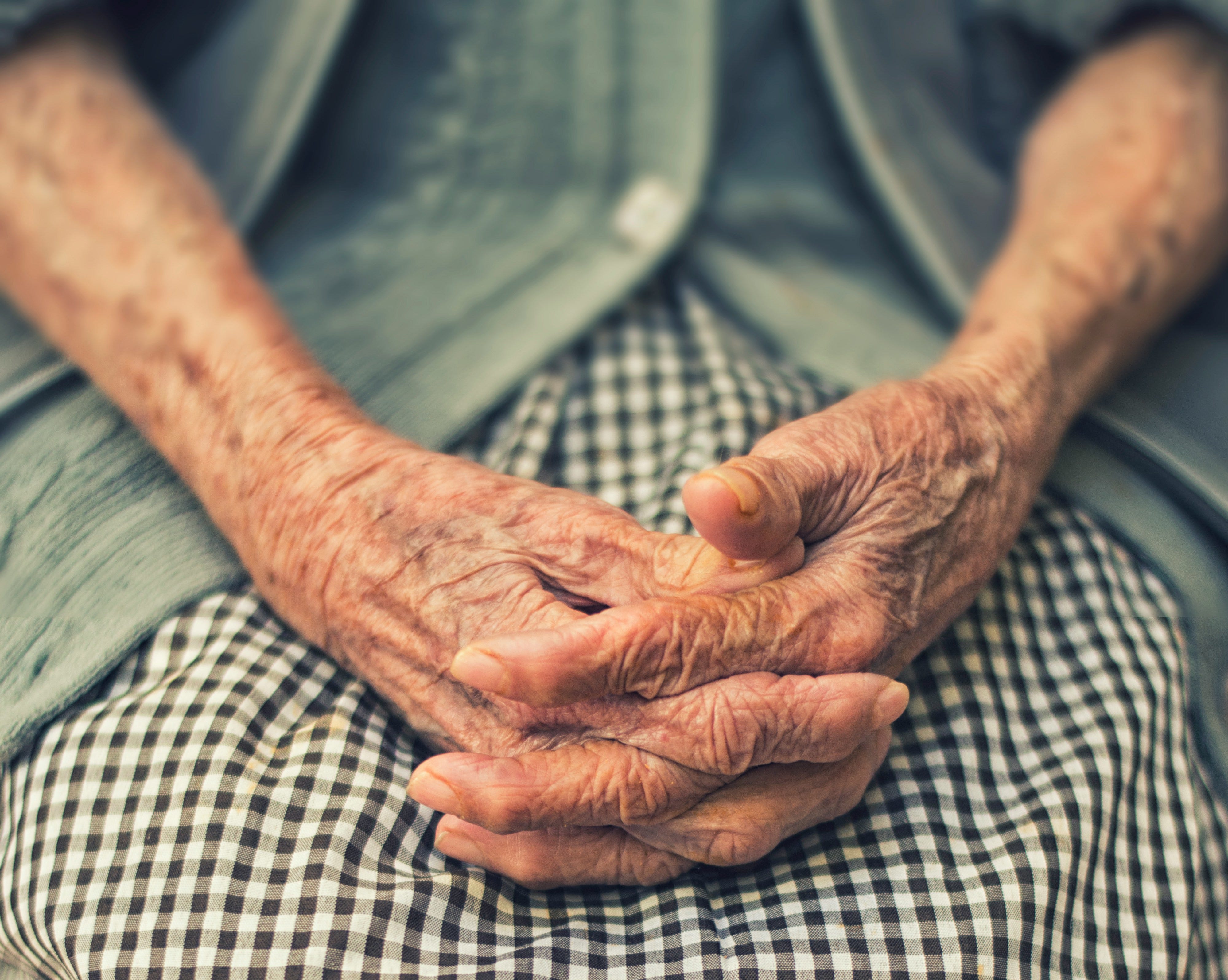
My mom’s head lurches forward, barely perceptibly, then pulls back, her eyes scan the room from left to right, her lips purse, then the cycle repeats. It gives her a quirky flair, like she’s about to make an interesting point. Her dad was always moving his head, too, in his old age, toward the block printing he was doing in the kitchen, then the plant stands he was building in the den. He was always making a point, one that he at least found interesting.
But she is gasping for air.
I dial her husband’s number, put him on speaker, then lay the phone in her hand. The social worker and the head nurse lean forward. He has declined to come to her care plan meeting, and she has declined to believe that he said what he said.
She was far from independent before she broke her hip, constantly asking him to fetch her ice water or help her to the toilet. Now that she’s seen two ERs and two skilled nursing facilities in two months, fallen six times, had surgery, battled pneumonia, Covid and a UTI, forgotten her age and seen a hallucination of my face in her window, she requires a new level of care. Now she needs physical therapy, a wheelchair, and weekly blood transfusions for a condition we’d likely learn is leukemia if she’d consent to the bone marrow test.
She asks if he wants her to come home.
“Well, honey,” he says, and trails off. He has a bad back, and heart disease, and he broke his arm six weeks before she broke her hip. He’s been in the hospital for two of the last three months, himself. The answer is no, and he says it often to his son, and he said it to me when we were on speaking terms. But his cowardice has played no small part in bringing us to this moment.
“You know I do.”
There’s a “but” in his voice, but he falls short of pronouncing it. Instead he hems and haws and simpers, says he misses her, implies that it’s somehow not up to him, that he can’t help it. He’s terrified she’ll raise her voice at him, that she’ll withdraw her love. It’s not an unfounded fear. Manipulation has gotten her everything she’s ever had.
This is the day my mom learns a truth she’s put her heart and soul and every effort into evading. This is the day she faces down the end of her former way of life, her failing health, her mortality. Today she learns her pretend self can’t save her, that wry Katharine Hepburn persona she puts on like a mask, flicking her cigarette, telling everyone to go to hell and get out of her way. Today reality floods in where the fantasy got interrupted; she is left with the history of dependence on others, her poor self esteem, the body wrecked by chemical abuse.
She is left drinking thickened water that keeps her from choking, and sleeping in a bed that sounds an alarm when she tries to get up.
I feel sorry for her. I feel bad that I’m leaving first thing in the morning. I feel bad that I want to leave, that my visit for these last few days has brought me to the limit of my stress tolerance.
This guilt is a dead end. For the better part of a year I’ve launched heroic efforts to save her from her poor choices. I’ve talked to her about her husband: a stingy man with ample enough means who withholds medical care and healthy food if he finds it too expensive. A man who is showing signs of dementia, who threw her walker across the room in a pain medicine-fueled rage, who pulled a gun on me last spring when I tried to remove a bag of baby carrots mired in black slime from his refrigerator.
I’ve talked to her about her hoarding, the filth that is their home, the crushed food and ant infestation under her favorite chair.
I’ve talked to her about her long-term plan, or lack thereof. About her husband’s poor health and advancing age. About the fact that her name isn’t on the house she’s been living in and his kids are set to inherit it.
With her consent, I moved her into a nice assisted living facility last spring, with a hair salon and movie nights, where her sister lived next door and relatives brought her cookies and took her to lunch. I bought her some new furniture the right size for the space, adorned her vanity with perfume bottles and decorative jars, and hung her art. I got her computer set up. I bought her a phone, then another phone because she found the first phone confusing. She balked, complained, rebelled, then called her husband and demanded he move her back home. He complied.
I try again with each new illness, with each fall.
“I just want you to be as healthy as possible,” I said a few days ago.
“I don’t want to be as healthy as possible,” she responded.
That guy you knew in your twenties—the one you don’t speak to anymore—do you remember him? He was on meth or crack when he wasn’t drunk. He was in and out of jail or juvvie. He didn’t work or he worked at a gas station for three weeks out of the year or he installed carpet off and on with two other drunk guys who couldn’t keep jobs. He stole from each of his roommates until he couldn’t have roommates anymore. He almost froze to death that one December night when he was between homes. His aunt gave him a few thousand dollars and helped him apply for college but he dropped out and spent it on weed.
That guy is paying for his choices, we say, when he ends up dying of cirrhosis in a halfway house at the age of forty. We think it’s a shame, but we don’t feel that much guilt. You can’t help a guy who won’t help himself.
It’s harder to say when you’re looking at your hundred-pound mom, her skin translucent and sagging and bruised, her eyes glazed with cataracts. Even if she raised you in a drunken stupor where plates and fists flew.
I want to try again. To see if there’s a better facility for her, or a private room, away from the roommate who turns the lights off too early. To get her a nice, big television and a comfy chair with a matching throw.
Instead I leave her with the hallways that smell like shit and antiseptic, the gray, gravy-covered meals, the man who screams at all hours, the woman who removes her clothes at dinner. I leave her with screeching alarms and beeps that never cease.
Powerful and beautiful and true. I’m sorry for your suffering, thank you for using it to illuminate the world.
I’m really sorry, Shannon. I wondered why I hadn’t seen anything from you in a while. I can’t imagine all the conflicting emotions.